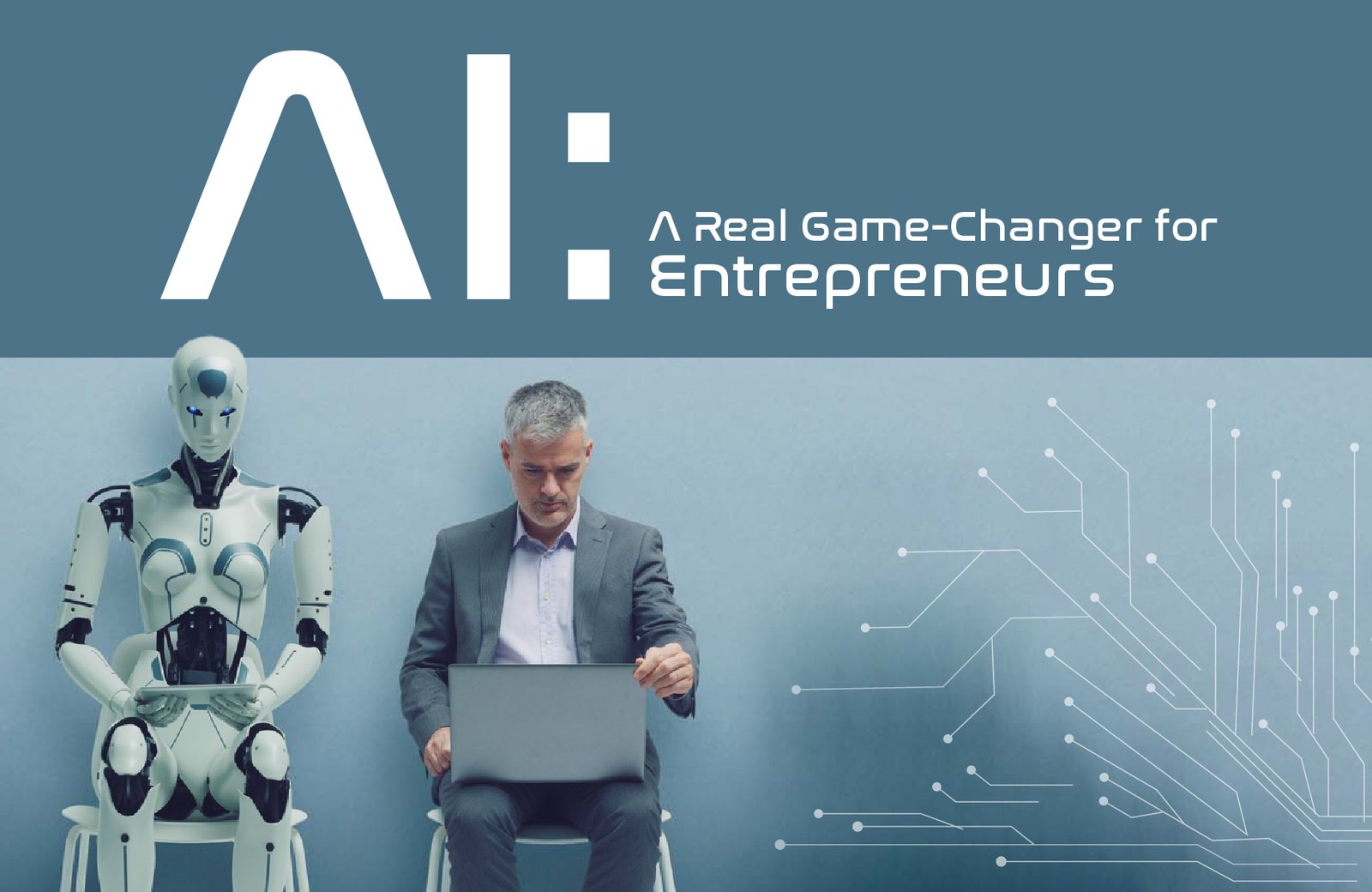
Artificial intelligence (AI) is changing the world in big ways. It’s making a huge impact on many areas. We’ll look at how AI is changing healthcare, transportation, and logistics.
We’ll also talk about the important issues that come with AI. This includes fairness, privacy, and keeping data safe. By the end, you’ll know more about AI’s power and how it will change our world.

Key Takeaways
- Artificial intelligence (AI) is revolutionizing industries and sectors across the globe.
- AI is driving advancements in healthcare, transportation, and logistics, among other areas.
- The rise of AI raises important ethical considerations, including bias, fairness, privacy, and data security.
- Understanding the transformative power of AI is crucial for navigating the future.
- Embracing the AI revolution is essential for individuals and organizations to stay ahead of the curve.
Introduction: The Dawn of the AI Revolution
We are on the edge of a big change, thanks to fast progress in artificial intelligence (AI). This tech is changing our world in many ways. It’s affecting healthcare, transportation, finance, and more. The AI revolution is happening now, and it will keep growing.
At the heart of this change is AI getting better really fast. What was once science fiction is now real. AI can now do many things, like understand language and make decisions on its own. This is making new things possible.
As we move into this AI revolution, we must get ready for big changes. These changes will affect many areas of our lives. In the next sections, we’ll look closer at AI, its effects on different fields, and the important questions it raises.
“The true sign of intelligence is not knowledge but imagination.” – Albert Einstein
Let’s start exploring the AI revolution together. We’ll uncover the secrets of this powerful tech and see how it will change our future.
Understanding AI: Demystifying the Technology
The world is changing fast thanks to artificial intelligence (AI) technology. It’s key to grasp the basics of this field. We’ll explore AI’s definition, how it evolved, and its different forms.
What is Artificial Intelligence?
Artificial intelligence lets machines do things that humans do, like learning and solving problems. It uses complex algorithms and powerful computers. This way, machines can think and act like us in some ways.
The Evolution of AI: From Narrow to General AI
AI has grown a lot, with two main types: narrow AI and general AI. Narrow AI is good at specific tasks, like playing chess. General AI, or AGI, aims to be as smart as humans, doing many things well.
Narrow AI has made big strides in many areas. But, making general AI is a big challenge. It needs to be as smart as us. As AI research keeps going, its power to change our world grows.

AI in Action: Transforming Industries and Sectors
Artificial intelligence (AI) is changing the game in many fields. It’s making industries more efficient and innovative. We’ll look at how AI is changing healthcare and transportation.
Healthcare and Medical Advancements
AI is changing healthcare in big ways. It helps doctors find diseases early and find new treatments faster. AI looks at lots of data to spot things humans might miss.
It’s also making drug discovery quicker and cheaper. AI can analyze medical images and predict patient outcomes. This is making healthcare better and more efficient.
Revolutionizing Transportation and Logistics
AI is changing how we move people and goods. Self-driving cars are making travel safer and more efficient. They also help reduce traffic and save fuel.
In logistics, AI is streamlining supply chains. It helps manage inventory and plan routes better. This leads to happier customers and lower costs for companies.
AI is changing our lives in many ways. As it keeps getting better, we’ll see even more amazing changes.

How AI Will Change the World
Artificial intelligence (AI) is growing fast, and it’s changing the world. It promises big changes in education, sustainability, and more. This section explores how AI will shape our future.
AI is set to change education a lot. It will make learning personal for each student. AI can give feedback and adjust lessons to fit each student’s needs.
AI will also help solve big sustainability problems. It can analyze lots of data to find better ways to use resources. This includes making cities smarter and farming more efficiently.
AI will automate many tasks, but it will also create new jobs. It will free up people to do more creative work. This will change the job market and what skills are needed.
As we move into an AI-driven future, we must think about ethics. We need to make sure AI is fair and protects our privacy. This will help AI make our lives better, not worse.
AI’s impact on society will be huge. By understanding its benefits and challenges, we can make a future where AI improves our lives and communities.
The Ethical Considerations of AI
Artificial intelligence (AI) is changing the world, but it raises big ethical questions. AI has many benefits, but we must tackle issues like bias, fairness, privacy, and data security. This ensures AI is developed and used responsibly.
Addressing Bias and Fairness in AI Systems
AI can make old biases worse if not designed right. Biases can sneak in during data collection and training. We need AI that is fair, transparent, and includes everyone.
Privacy and Data Security Implications
AI’s growth worries us about privacy and data safety. AI handles lots of personal info. We must create strong rules to protect privacy and keep data safe. This builds trust in AI.
| Ethical Consideration | Key Challenges | Potential Solutions |
|---|---|---|
| AI Bias and Fairness | Biased data and algorithms Lack of diversity in AI development teams Discriminatory outcomes against marginalized groups | Transparent and accountable AI development processes Diverse and inclusive AI teams Rigorous testing and auditing for bias and fairness |
| AI Privacy and Data Security | Massive data collection and processing Potential for data breaches and misuse Lack of clear legal and regulatory frameworks | Robust data governance policies and protocols Strong data encryption and access controls Comprehensive data privacy regulations |
By tackling these issues, we can make AI better. We aim for AI ethics, AI fairness, and AI privacy. This way, AI can help us without harming anyone.
“The greatest challenge for AI is not to create superintelligent machines, but to create ethical, trustworthy, and beneficial AI systems that enhance and empower humanity.”
Preparing for an AI-Driven Future
The AI revolution is changing industries and the job market. It’s important to prepare our workforce for this new future. Upskilling and reskilling will help individuals and organizations thrive in this fast-changing world.
Upskilling and Reskilling for the AI Workforce
AI has created new job opportunities and a need for specialized AI skills. Employees must get the right AI skills and knowledge to stay competitive. This can mean taking AI education courses, attending workshops, or learning on their own.
Employers also need to invest in AI workforce development. They should offer in-house training, partner with schools, or start mentorship programs. This helps employees learn new skills and adapt to the job market transformation caused by AI.
| AI Skills in High Demand | Emerging AI-Powered Job Roles |
|---|---|
| Machine Learning Natural Language Processing Computer Vision Data Analysis Automation and Optimization | AI Strategist Machine Learning Engineer Robotics Technician Predictive Analytics Specialist AI Ethics and Compliance Officer |
By developing AI skills and embracing the AI workforce transformation, we can succeed in the AI-driven future.
Conclusion: Embracing the AI Revolution
The AI revolution is already changing the world. It’s transforming industries and our daily lives. The power of artificial intelligence is clear.
The potential of AI is huge, but we must think about its ethics. By embracing AI, we can make our world better. It can make our lives more efficient and innovative.
The AI revolution is here to stay. We must navigate it wisely and ethically. This way, we can usher in a new era of progress for everyone.
FAQ
What is Artificial Intelligence (AI)?
Artificial Intelligence (AI) is a field in computer science. It deals with making machines smart. These machines can do things that humans usually do, like learn, solve problems, and understand language.
How is AI transforming industries and sectors?
AI is changing many fields, like healthcare and transportation. In healthcare, it helps with diagnosing and finding new treatments. Transportation makes people and goods moving around safer and more efficient.
What are the ethical considerations of AI?
AI raises important ethical questions. We need to make sure it’s fair and doesn’t harm privacy. It’s also important to use AI in ways that respect our values and improve society.
How can we prepare for an AI-driven future?
To get ready for AI, we need to learn and grow. We should invest in education and training. This way, we can all adapt and succeed in a world with AI.
What is the potential impact of AI on society?
AI could change education and help the environment. It could also make some jobs easier and create new ones. But, we must also think about the challenges it brings, like job loss and bias.
Leave a Reply